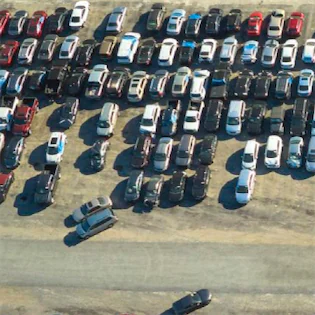
California boasts a bustling car rental market, catering to tourists exploring the state’s scenic landscapes, business travelers navigating bustling cities, and residents in need of temporary transportation solutions. From major international chains to local rental agencies, consumers have a plethora of options when it comes to renting a vehicle in the Golden State. Whether you’re looking for a compact car for city driving or a spacious SUV for a family road trip, there’s a rental company ready to meet your needs.
While renting a car can be a convenient and hassle-free experience, it’s essential for consumers to be aware of their rights and protections under California law. Understanding your rights as a consumer can empower you to navigate potential issues and disputes with confidence. From reservation discrepancies to vehicle condition disputes and billing concerns, being informed about your rights can help you advocate for a fair resolution in the event of a problem.
Car Rental Issues
Reservation Discrepancies
Reservation discrepancies occur when there is a discrepancy between the terms of the rental reservation and the actual rental agreement. This can include issues such as:
– Rental location or vehicle type not available upon arrival.
– Incorrect rental dates or times.
– Unexpected additional fees or charges not disclosed during the reservation process.
– Changes to rental terms or conditions without prior notification.
To mitigate reservation discrepancies, it’s essential to review your reservation confirmation carefully and communicate any concerns or discrepancies with the rental company before finalizing the rental agreement.
Vehicle Condition Discrepancies
Vehicle condition discrepancies refer to discrepancies between the condition of the rental vehicle at the time of rental and the condition documented in the rental agreement or inspection report. Common issues include:
– Pre-existing damage not documented prior to rental.
– Mechanical issues or malfunctions discovered after renting the vehicle.
– Cleanliness issues such as stains, odors, or debris inside the vehicle.
To avoid disputes over vehicle condition, thoroughly inspect the rental vehicle before accepting it and document any pre-existing damage or issues. Take photos or videos as evidence, and report any discrepancies to the rental company immediately to avoid being held responsible for damage you didn’t cause.
Billing Disputes
Billing disputes can arise when there are discrepancies or unexpected charges on the rental invoice. Common billing issues include:
– Overcharges for additional services or insurance coverage not requested or authorized.
– Incorrect calculation of rental fees, taxes, or surcharges.
– Unauthorized charges or fees added to the final bill without explanation.
To address billing disputes, carefully review your rental invoice and compare it to the terms of your rental agreement and any additional documentation provided. If you identify any discrepancies or unauthorized charges, contact the rental company promptly to seek clarification and resolution.
Customer Service Complaints
Customer service complaints encompass a range of issues related to the quality of service provided by the rental company. This can include:
– Poor communication or responsiveness from rental company staff.
– Unprofessional or rude behavior from rental agents.
– Failure to address or resolve customer concerns or complaints in a timely manner.
If you encounter customer service issues during the rental process, it’s essential to communicate your concerns with the rental company’s management or customer service department. Provide specific details about the nature of the complaint and seek a resolution that meets your satisfaction.
Lemon Law Rights in California
California’s lemon law, also known as the Song-Beverly Consumer Warranty Act, is designed to protect consumers who purchase or lease defective vehicles, often referred to as “lemons.” The law applies to both new and used vehicles sold or leased in California, provided they are still covered by the manufacturer’s warranty. It holds manufacturers responsible for repairing or replacing defective vehicles and provides legal remedies for consumers who find themselves stuck with a lemon.
Qualifying Criteria for a Lemon Law Claim
To qualify as a lemon under California’s lemon law, a vehicle must meet certain criteria:
Defect Covered by Warranty: The vehicle must have a defect or non-conformity covered by the manufacturer’s warranty.
Substantial Impairment: The defect must substantially impair the use, value, or safety of the vehicle. This can include mechanical issues, safety concerns, or defects that impact the vehicle’s performance or reliability.
Reasonable Repair Attempts: The consumer must give the manufacturer or authorized dealer a reasonable number of repair attempts to fix the defect. In California, the law presumes that a reasonable number of repair attempts has been made if one of the following occurs:
– The same defect has been subject to repair four or more times.
– The vehicle has been out of service for repairs for a total of 30 days or more.
Steps to Take if You Believe You Have a Lemon Law Claim
If you believe you have a lemon law claim, it’s important to take the following steps:
Document the Defect: Keep detailed records of the defect, including dates, descriptions of symptoms, repair attempts, and communications with the manufacturer or dealer.
Notify the Manufacturer: In writing, notify the manufacturer of the defect and request repairs. Be sure to provide all relevant information and documentation.
Allow for Repair Attempts: Give the manufacturer or authorized dealer a reasonable opportunity to repair the defect. Be cooperative during the repair process and keep records of all repair attempts.
Consider Legal Assistance: If the defect persists after a reasonable number of repair attempts, consider seeking legal assistance from a qualified lemon law attorney. An attorney can help you understand your rights, navigate the claims process, and pursue appropriate legal remedies.
Consumer Protections Under the Lemon Law
Consumers who prevail in lemon law claims are entitled to various remedies, including:
– Repurchase: The manufacturer must repurchase the defective vehicle and refund the purchase price, including taxes, registration fees, and other related expenses.
– Replacement: Alternatively, the manufacturer may offer to replace the defective vehicle with a comparable new vehicle.
– Attorney’s Fees: If you prevail in a lemon law claim, the manufacturer is generally responsible for covering your attorney’s fees and legal costs.
How to Deal with Car Rental Issues
Research and Preparation
Before renting a car, it’s essential to conduct thorough research and preparation to minimize the risk of potential issues. Here are some tips:
– Compare rental companies: Research multiple rental companies to find one that offers competitive rates, reliable vehicles, and good customer service.
– Read reviews: Check online reviews and customer feedback to gauge the reputation and reliability of rental companies.
– Review rental terms: Carefully review the terms and conditions of the rental agreement, including rental rates, insurance coverage, mileage limits, and fuel policies.
– Consider additional coverage: Evaluate whether you need additional insurance coverage, such as collision damage waivers or supplemental liability insurance, to protect yourself against unforeseen circumstances.
Documenting Issues and Communicating with the Rental Company
During the rental period, it’s essential to stay vigilant and proactive in documenting any issues or concerns with the rental vehicle. Here’s what to do:
– Thorough inspection: Conduct a comprehensive inspection of the rental vehicle before accepting it, noting any pre-existing damage, mechanical issues, or cleanliness issues.
– Document issues: Take photos or videos of any damage or issues with the rental vehicle and make a note of them on the rental agreement or inspection report.
– Communicate promptly: If you encounter any issues or concerns during the rental period, communicate them to the rental company’s staff or customer service department immediately. Provide detailed information about the nature of the issue and request a resolution.
Escalation Procedures and Seeking Resolution
If you encounter disputes or disagreements with the rental company, follow these steps to seek resolution:
– Follow company procedures: Follow the rental company’s established procedures for addressing disputes or complaints, such as contacting customer service or speaking with a manager.
– Escalate as needed: If you’re unable to resolve the issue satisfactorily at the local level, escalate the matter to higher levels of management or corporate headquarters.
– Document communications: Keep detailed records of all communications with the rental company, including dates, times, names of representatives spoken to, and the nature of the discussion.
Seeking Legal Assistance if Necessary
If you’re unable to resolve the issue with the rental company directly, consider seeking legal assistance from a qualified attorney who specializes in consumer protection and rental law. A legal professional can provide guidance on your rights and options for pursuing further action, such as filing a formal complaint or initiating legal proceedings.